Best time to visit — month-by-month guide for Chicago
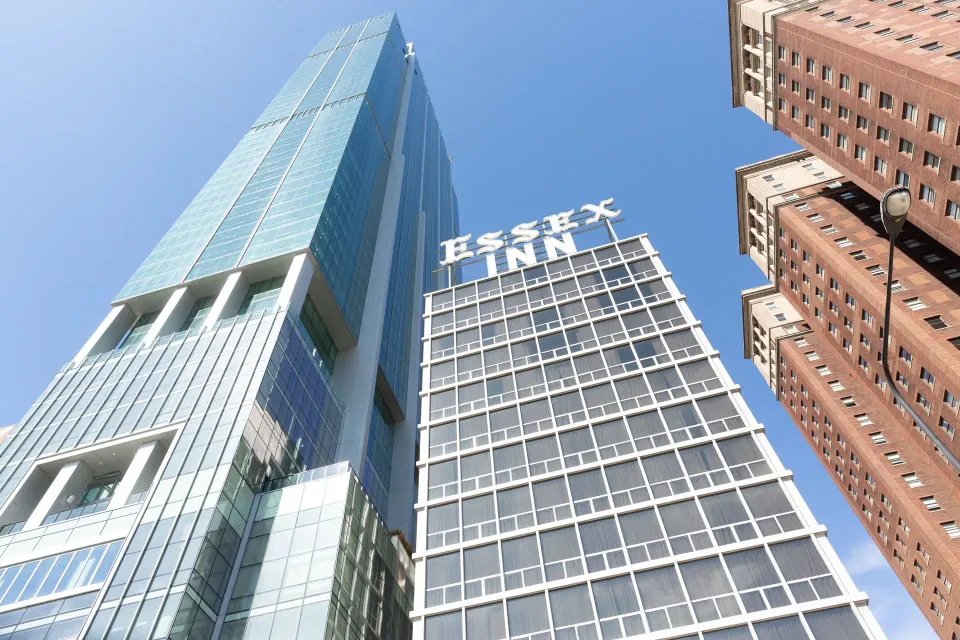
The best time to visit Chicago around Le Méridien Essex Chicago depends on your priorities: late May–June and September offer the best balance of mild weather, manageable crowds, and lower shoulder-season rates. If you want warm lakefront days and festivals, visit June–August; for lowest temperatures and winter activities, choose December–February.
In this guide
January–February — winter city stay
Chicago winters are cold with frequent snow and brisk winds; January is usually the coldest month. If you don’t mind heating, short walks across Grant Park and quick museum trips work well from the hotel.
Hotel practicalities in winter: the property is smoke-free, offers complimentary in-room Wi‑Fi and a 24-hour fitness center if you want to avoid outdoor cold. Many attractions and museums remain open year-round, but outdoor activities are limited by weather.
- Good for lower hotel rates and quieter downtown streets
- Pack warm layers, a heavy coat, hat and waterproof boots
- Check winter schedules for Grant Park events (some are seasonal)
| What to expect | Hotel room tip |
|---|---|
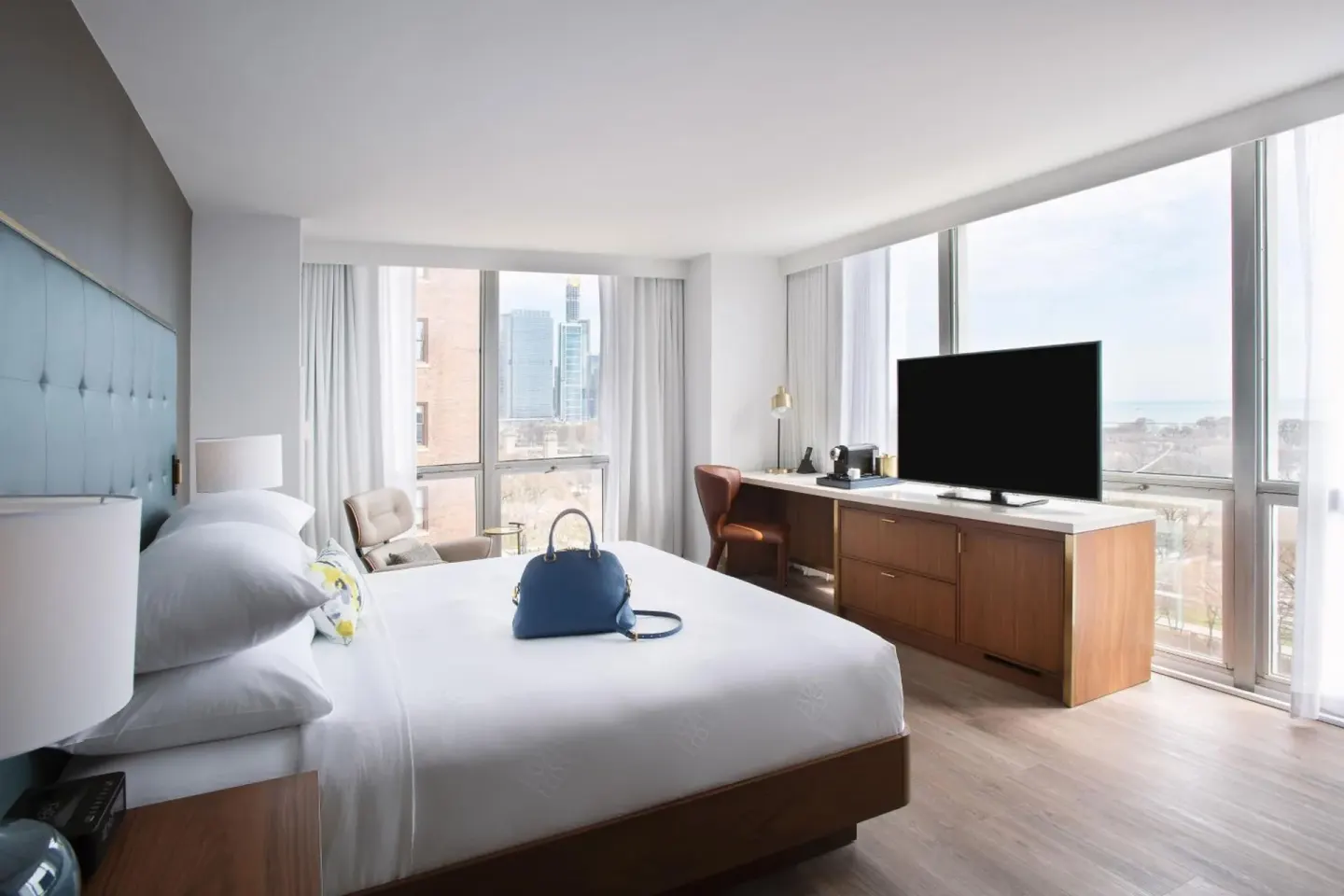
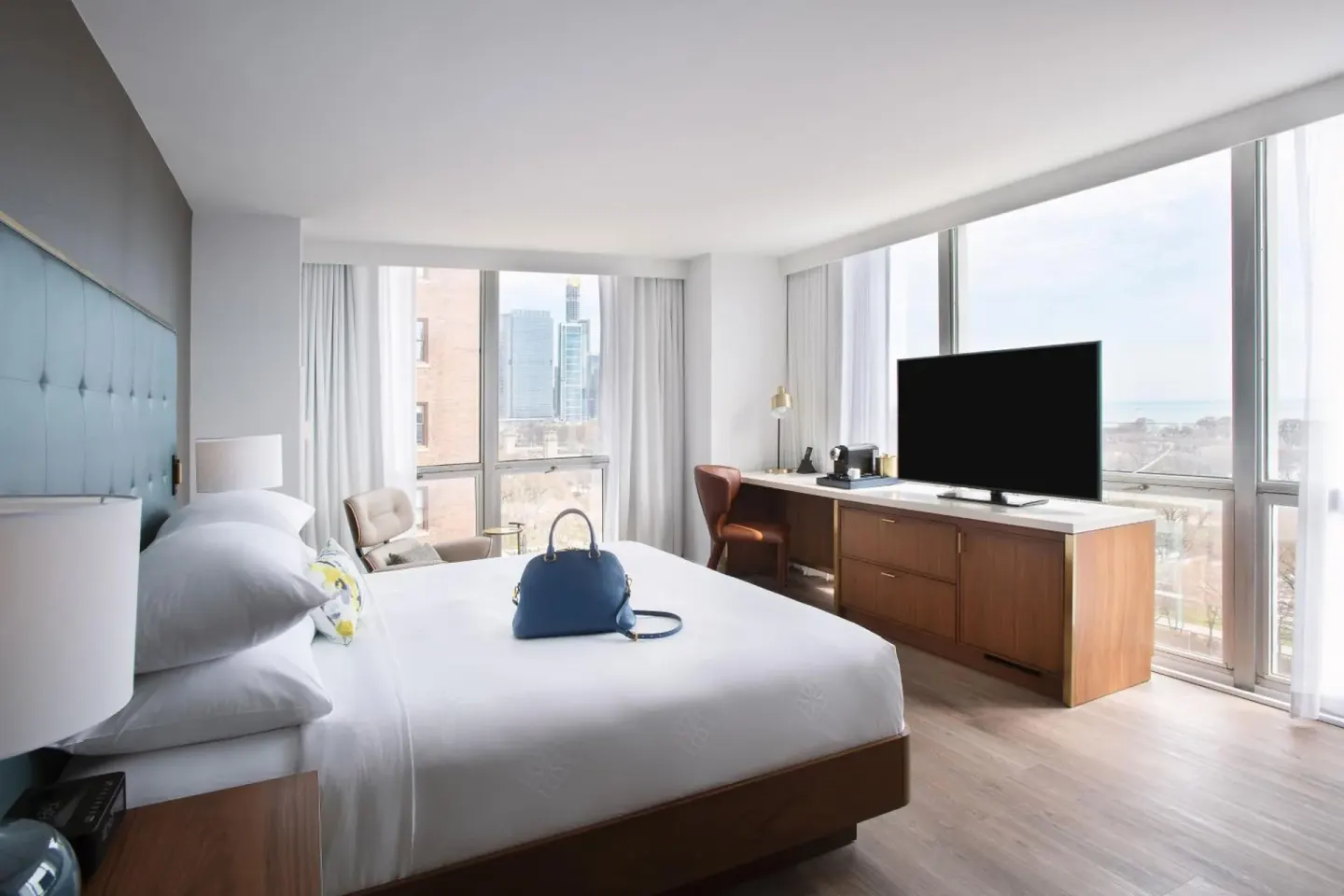
| Cold, possible snow and high winds | Choose a room with city view if you want daylight views — try Superior Room, City View |
| Short daytime hours | Bring layers to walk between Grant Park and nearby museums |
| Fewer outdoor festivals | Use Grant Park Bistro and SX Sky Bar for indoor dining and nightlife |

March–April — changeable spring
Spring is variable: some days feel like late winter while others warm quickly. Expect a mix of rain, wind and improving temperatures between March and April.
This is a good time for museum visits and catching early blooms in Grant Park. If you prefer to avoid peak crowds, early spring offers lower demand than summer but be prepared for sudden weather shifts.
- Bring a waterproof jacket and layers for fluctuating temperatures
- Ideal for indoor attractions: Art Institute of Chicago and Museum Campus are nearby
- Weekend rates can rise around major events—check event calendars before booking
| Travel goal | Why March–April works |
|---|---|
| Museums & indoor culture | Fewer crowds than summer, easy walks to Museum Campus |
| Budget travel | Shoulder-season rates often lower than June–August |
| Early spring blooms | Grant Park begins to green up and is a short walk from the hotel |
May–June — late spring and early summer (shoulder season)
Late May and June are commonly recommended as one of the best times to visit Chicago: temperatures are mild, humidity is lower than in later summer, and many outdoor attractions and beaches open for the season.
This period balances good weather with more moderate hotel demand than peak summer. It’s a practical choice for strolling Grant Park, visiting Millennium Park, and taking lakefront walks from Le Méridien Essex Chicago’s Michigan Avenue location.
- Expect comfortable highs and workable outdoor weather
- Great time for cycling or walking the lakefront before peak humidity
- Book early for popular events and weekend availability
| Best for | Why |
|---|---|
| Outdoor sightseeing | Mild weather, parks in bloom |
| Lower crowds than peak summer | Shoulder-season hotel rates are often more favorable |
| Festivals starting up | Some events begin in late May—check Grant Park schedules |
July–August — summer peak season
Summer delivers the warmest, busiest conditions: higher temperatures, increased humidity near Lake Michigan, and frequent afternoon thunderstorms. This is peak season for beaches, lakefront activities and major festivals.
Expect higher hotel rates and larger crowds at Grant Park events. If you need easy access to outdoor nightlife and weekend brunch at SX Sky Bar or patio seating, summer is the liveliest time to stay.
- Best time for beaches and long daylight hours
- Book restaurants like Grant Park Bistro and SX Sky Bar in advance on busy nights
- Prepare for higher rates and more crowded public spaces
| Consider if you want | Notes |
|---|---|
| Beach days and festivals | Summer has the most activity on the lakefront and in Grant Park |
| Nightlife and brunch | SX Sky Bar offers weekend brunch and evening programming |
| Higher costs | Peak hotel and event pricing; reserve early |

September–October — ideal shoulder season
September is widely cited as the single best month to visit Chicago: it brings comfortable temperatures, lower humidity, and fewer summer crowds after Labor Day. October keeps pleasant fall days early on, with cooler evenings and visible change in park foliage.
This period is excellent for walking through Grant Park, visiting Millennium Park’s Cloud Gate, and attending late-season cultural events while hotel demand often softens from mid-September onward.
- Top pick for most travelers—mild weather and smaller crowds
- Great for photography and park walks as leaves change
- Shoulder-season rates can be more affordable than July–August
| Month | Pros |
|---|---|
| September | Best overall weather, quieter streets after Labor Day |
| October | Cooler, fall foliage and outdoor comfort before deep cold |
| Late October | Possible 'Indian summer' days but also cooler nights |
November–December — late fall into holiday season
November brings crisp fall weather and the start of holiday decorations; by December temperatures are often cold and snow becomes possible. Holiday events and lights make this a festive time to visit, though outdoor activities are weather-dependent.
If you plan a holiday visit, factor in shorter daylight and colder conditions and consider indoor options like Grant Park Bistro for meals, or the hotel’s event spaces for gatherings.
- Good for holiday markets and seasonal events
- Pack warm clothing and expect possible snow by late December
- Hotel conveniences—24-hour front desk, complimentary Wi‑Fi, fitness center—make cold-weather stays easier
| When to go | Why |
|---|---|
| November | Cool, quieter than summer, holiday prep begins |
| December | Festive atmosphere but cold and possible snow |
| If avoiding cold | Choose earlier fall months (September–October) instead |